
Transforming Emissions Control into Strategic Advantage
In today’s Alberta oil and gas sector, regulatory expectations and investor scrutiny are converging on one critical metric: emissions performance. What was once considered a compliance hurdle now stands as a strategic differentiator, capable of safeguarding margins and elevating corporate reputation. When teams treat leak detection and measurement as isolated tasks, they miss the bigger opportunity: weaving advanced technologies and consultative expertise into a cohesive program that drives both environmental stewardship and operational excellence. By embracing a holistic approach—anchored in proactive monitoring, rigorous calibration, data-driven analytics, and forward-looking offset strategies—operators can convert emissions control from a cost center into a core competitive advantage.
Seeing the Unseen: Next-Generation Leak Detection
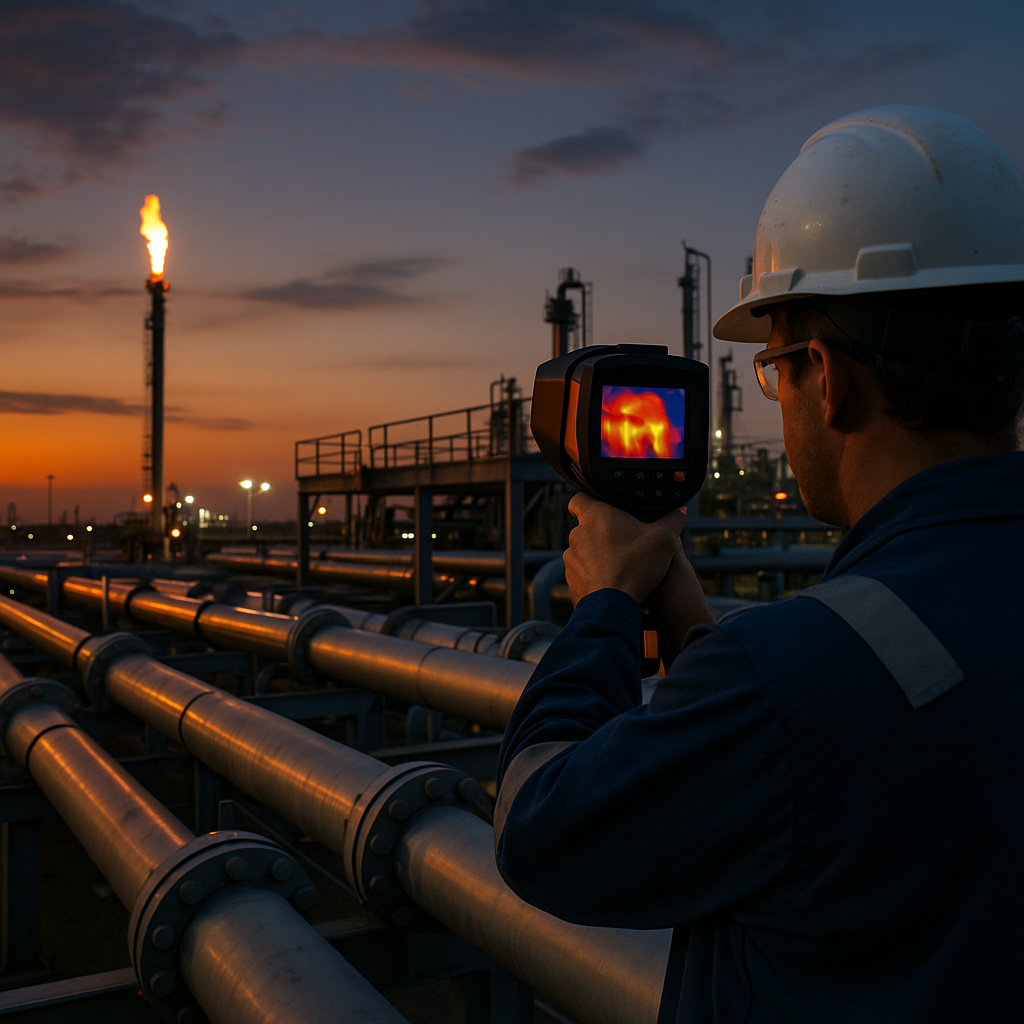
Methane and volatile organic compounds that escape detection not only represent lost product but also expose operations to costly fines and reputational harm. Traditional LDAR services often rely on scheduled surveys, leaving gaps between inspections. A purpose-built fugitive emissions monitoring system bridges those gaps by deploying high-precision laser detectors, infrared cameras, and continuous analytics across wellheads, pipelines, and facilities. When even a minor spike appears in the data feed, geo-tagged alerts guide field crews directly to the source, reducing both response time and lost volumes. Over time, this continuous vigilance uncovers patterns—whether recurring leaks around specific valve types or transient emissions during startup sequences—enabling targeted repairs that drive down both repair costs and methane intensity.
Ensuring Measurement Integrity: Calibration and Instrumentation
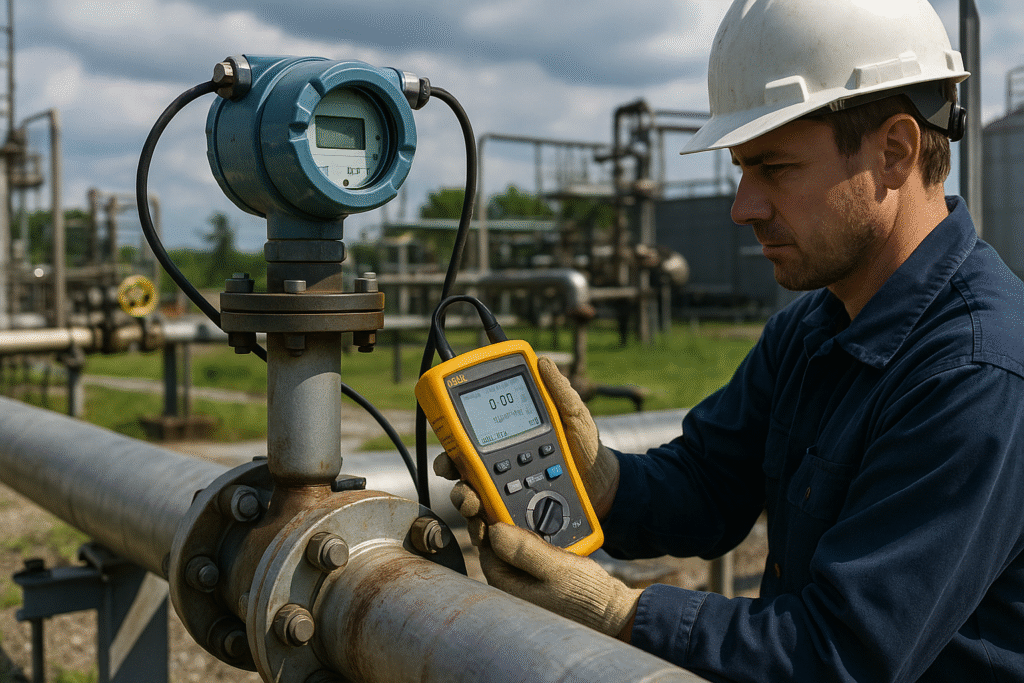
Accurate emissions reporting begins with data integrity: without precise flow and concentration measurements, even the best analytics can lead teams astray. That’s why integrating regular flow meter calibration services into maintenance cycles is non-negotiable. Drift in mass- or volume-flow sensors can skew production accounting and greenhouse-gas inventories, undermining both fiscal and environmental compliance. By coupling mobile calibration units—deployed during planned turnarounds or tie-in projects—with routine field instrumentation services such as sensor health checks and control-valve diagnostics, operators eliminate unplanned downtime and cement traceability to ISO/IEC standards. This disciplined regimen ensures that every cubic metre recorded is verifiable, building confidence with regulators and investors alike.
Turning Data into Action: Integrated Analytics Platforms
Collecting emissions measurements is only the first step; translating raw feeds into operational insight demands a unified software backbone. An enterprise-grade emissions management software platform consolidates inputs from LDAR surveys, continuous leak-detection systems, and calibration logs into a single dashboard. Automated alerts flag excursions beyond defined thresholds, while customizable reports streamline submissions under Alberta’s TIER framework. With this panoramic view, leadership can discern emerging trends—such as seasonal shifts in equipment performance or correlations between production rates and VOC levels—and adjust maintenance priorities or process parameters accordingly. Such actionable intelligence accelerates decision-making, uncovers high-ROI emissions reduction strategies, and supports dynamic resource allocation in response to fluctuating commodity markets.
Monetizing Sustainability: Carbon Offset Opportunities
Even after cutting leaks and optimizing processes, residual emissions often remain. Forward-looking operators turn these remaining tonnes into tradable assets through carbon credits. Alberta’s established marketplace for offset projects rewards verifiable reductions—from low-emission compressor retrofits to habitat restoration initiatives—enabling companies to generate additional revenue streams while enhancing their sustainability profiles. By leveraging Intricate’s carbon offset services, teams can evaluate project development pathways, quantify expected credit volumes, and navigate trading platforms. Each generated credit not only balances out residual emissions but also signals to stakeholders—investors, regulators, and communities—that your operation is committed to long-term environmental leadership.
Building a Culture of Continuous Improvement
Excellence in emissions management is less about discrete projects and more about embedding a mindset of perpetual refinement. Start by defining clear performance goals, whether reducing methane intensity by a set percentage or achieving a specific emissions reduction target year over year. Combine insights from fugitive emissions surveys, calibration trend analyses, and software dashboards to identify persistent heartbeats in system performance—be it around aging seals or seasonal process variations. Engage oil and gas environmental consultants to design targeted interventions, and integrate those learnings into standard operating procedures. Over successive reporting cycles, this detect-analyze-act feedback loop drives down both leak frequency and the total cost of compliance, fostering resilience amid shifting regulations and market conditions.
Anticipating Regulatory Evolution: TIER and Alt-FEMP
Alberta’s Technology Innovation and Emissions Reduction program (TIER) has already reshaped emissions economics by tying performance to credits and penalties. Now, the Alternative Fugitive Emissions Management Program (Alt-FEMP) promises streamlined approvals and fixed-price pathways for proactive leak control. Forward-thinking operators model multiple regulatory scenarios—stress-testing their roadmaps against tightening caps or fluctuating carbon credits Alberta prices—to ensure agility. This scenario planning reveals where targeted investments—such as vapor-recovery upgrades or low-emission burner installations—deliver the greatest returns in both credits and avoided penalties. By staying ahead of policy shifts, your operation can pivot swiftly, capitalizing on incentives rather than scrambling to catch up.
Charting a Phased Roadmap with Expert Partnerships
Bringing together all these elements—advanced leak detection, disciplined calibration, integrated analytics, offset project development, and regulatory foresight—requires a clear, phased plan. Phase 1 focuses on deploying continuous monitoring systems and calibrating core instrumentation to establish a verified baseline. Phase 2 scales up LDAR services in tandem with real-time alerts, refining survey routes and reducing inspection costs. Phase 3 launches targeted offset projects that generate tradable credits, while elevating your sustainability credentials. Phase 4 institutionalizes quarterly performance reviews, updating emissions management software settings and maintenance protocols in response to both compliance outcomes and evolving market drivers. Throughout, partnering with specialized oil and gas environmental consultants ensures you have the expertise to navigate technical complexities and regulatory intricacies.
Embracing this comprehensive emissions-control ecosystem transforms your operation from reactive firefighting to proactive leadership. Rather than scrambling to patch leaks or chase credits at year-end, your team operates with foresight—anticipating challenges, refining protocols, and monetizing every efficiency gain. The result is a resilient, future-proof enterprise that not only meets Alberta’s rising standards but sets the benchmark for sustainable, profitable energy production. Rock Energy and Intricate stand ready to guide you through each phase, ensuring your operation thrives under the most demanding environmental and market conditions.